Why Learn to Identify Mushrooms?
Mushroom foraging is one of the most rewarding outdoor activities you can pick up. There's something deeply satisfying about spotting a wild mushroom on a hike, identifying it correctly, and understanding its role in the ecosystem. But with thousands of species out there — some delicious, some deadly — knowing how to identify mushrooms is essential before you start.
A good mushroom identifier, whether it's an experienced mentor, a field guide, or a mushroom scanner app, is your best companion on this journey. The goal isn't to memorize every species overnight, but to build a reliable process for safe identification.
The Golden Rules of Mushroom Foraging
Before heading into the woods, every forager should follow these fundamental principles:
- Never eat what you can't identify with certainty. If you have any doubt, leave it alone. No mushroom meal is worth the risk.
- Learn from local experts. Join a mycological society or foraging group in your area. Experienced foragers can teach you things no book or app can.
- Cross-reference multiple sources. Use a combination of tools — field guides, a mushroom identifier app, and expert advice — to confirm identifications.
- Start with easy species. Begin with mushrooms that have few or no dangerous look-alikes. Build your skills gradually.
- Respect the environment. Only take what you need, and leave the forest as you found it.
How to Identify Poisonous Mushrooms
One of the most important skills for any forager is learning to identify poisonous mushrooms. While there's no single rule that works for every species, here are the key warning signs to watch for:
- White gills: Many toxic species, including the deadly death cap and destroying angel, have white gills. While not all white-gilled mushrooms are dangerous, it's a flag to look out for.
- Ring or skirt on the stem: A ring (annulus) around the stem can indicate species in the Amanita genus, which contains some of the most dangerous mushrooms in the world.
- Bulbous base or volva: A cup-like structure at the base of the stem (often hidden underground) is common in poisonous Amanita species.
- Unpleasant smell: While some edible mushrooms have strong odors, a foul or chemical-like smell is often a warning sign.
- Red caps with white spots: The classic toadstool appearance (think fly agaric) is a well-known indicator, though not all red mushrooms are dangerous.
Remember: many poisonous mushrooms look nearly identical to edible ones. This is why using a reliable mushroom scanner or identifier is so important — it can highlight dangerous look-alike species you might not notice on your own.
What to Bring on a Foraging Trip
A successful foraging trip starts with good preparation. Here's what experienced foragers recommend:
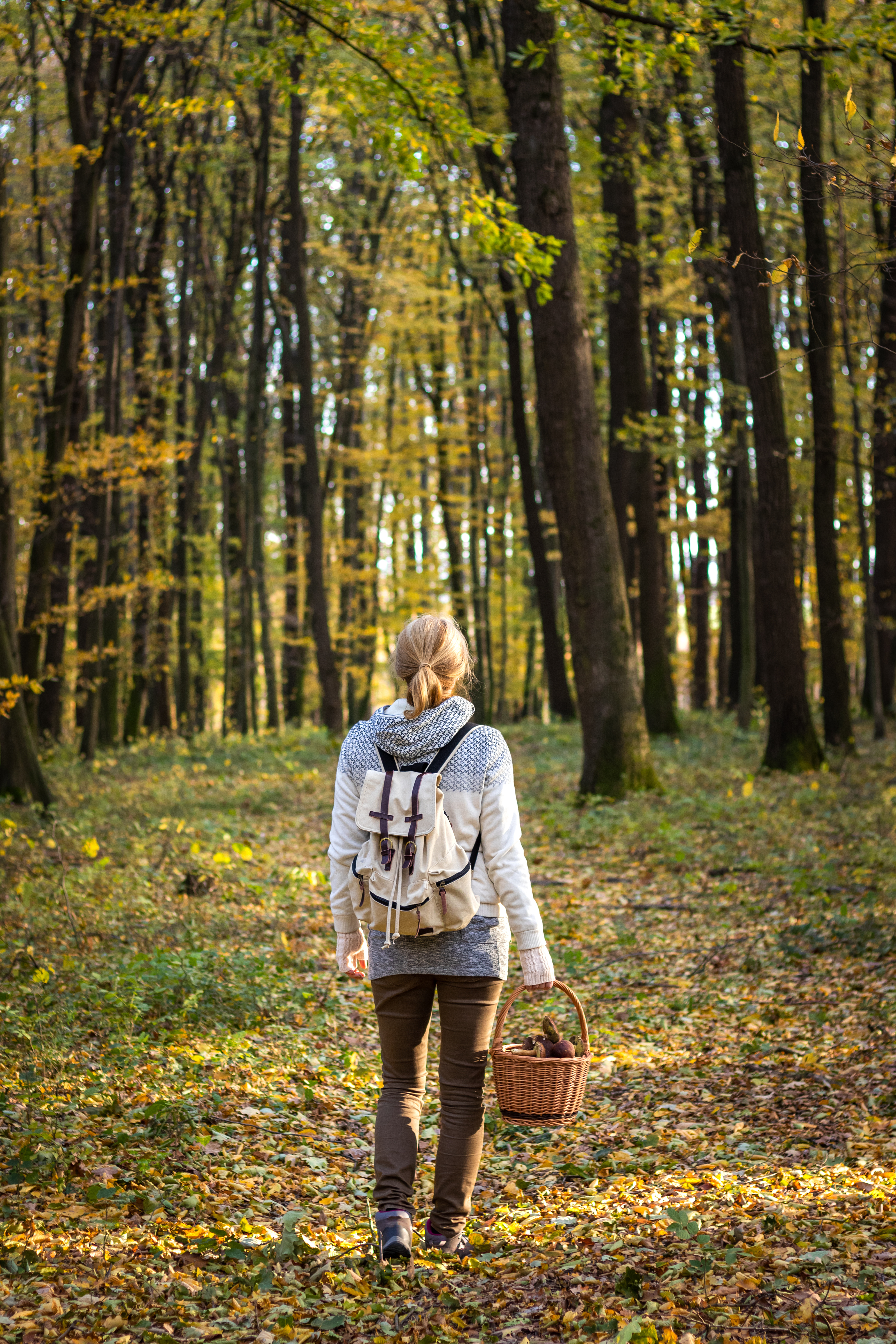
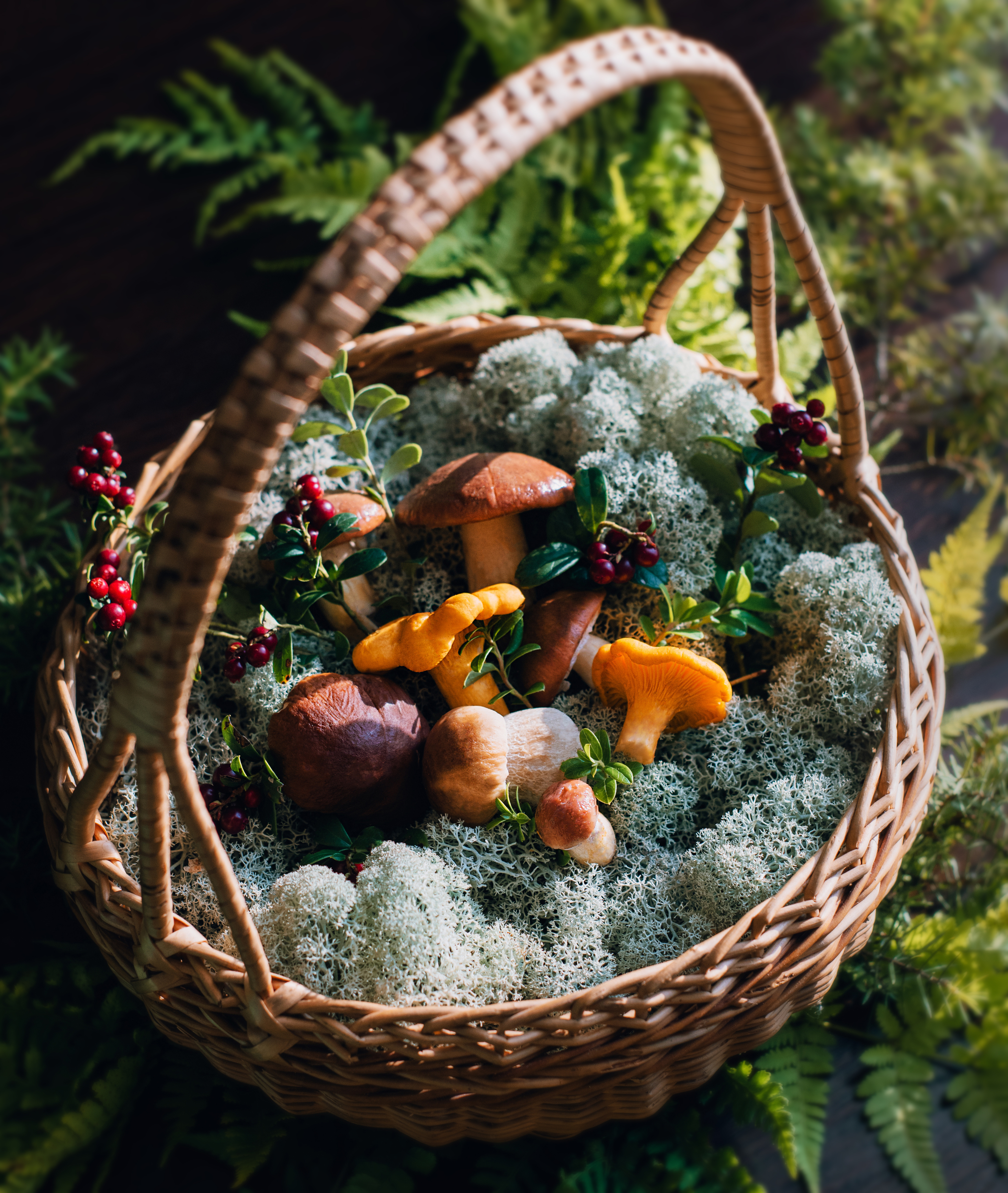
- A basket or mesh bag: These allow spores to spread as you walk, helping the ecosystem. Avoid plastic bags, which cause mushrooms to sweat and deteriorate.
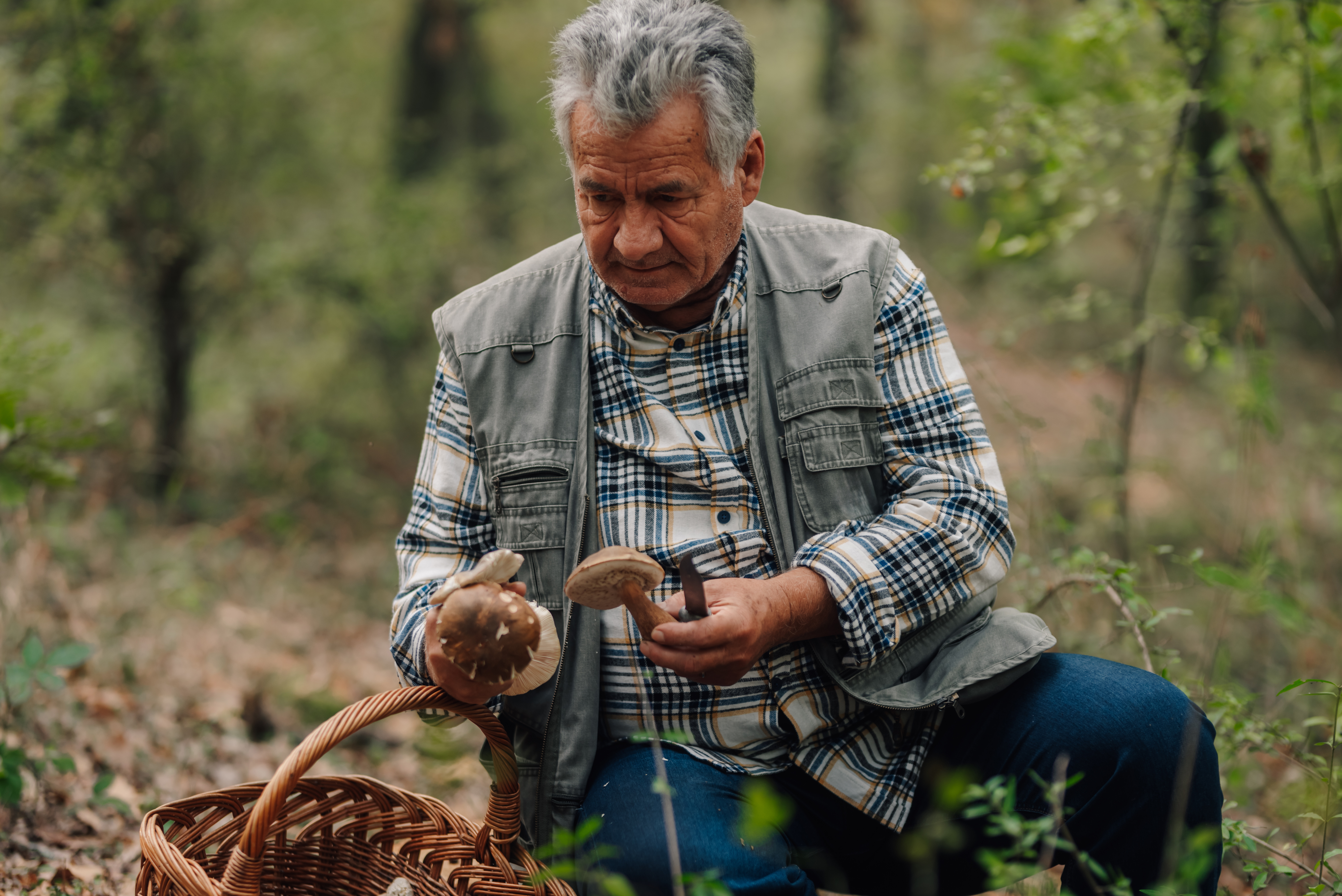
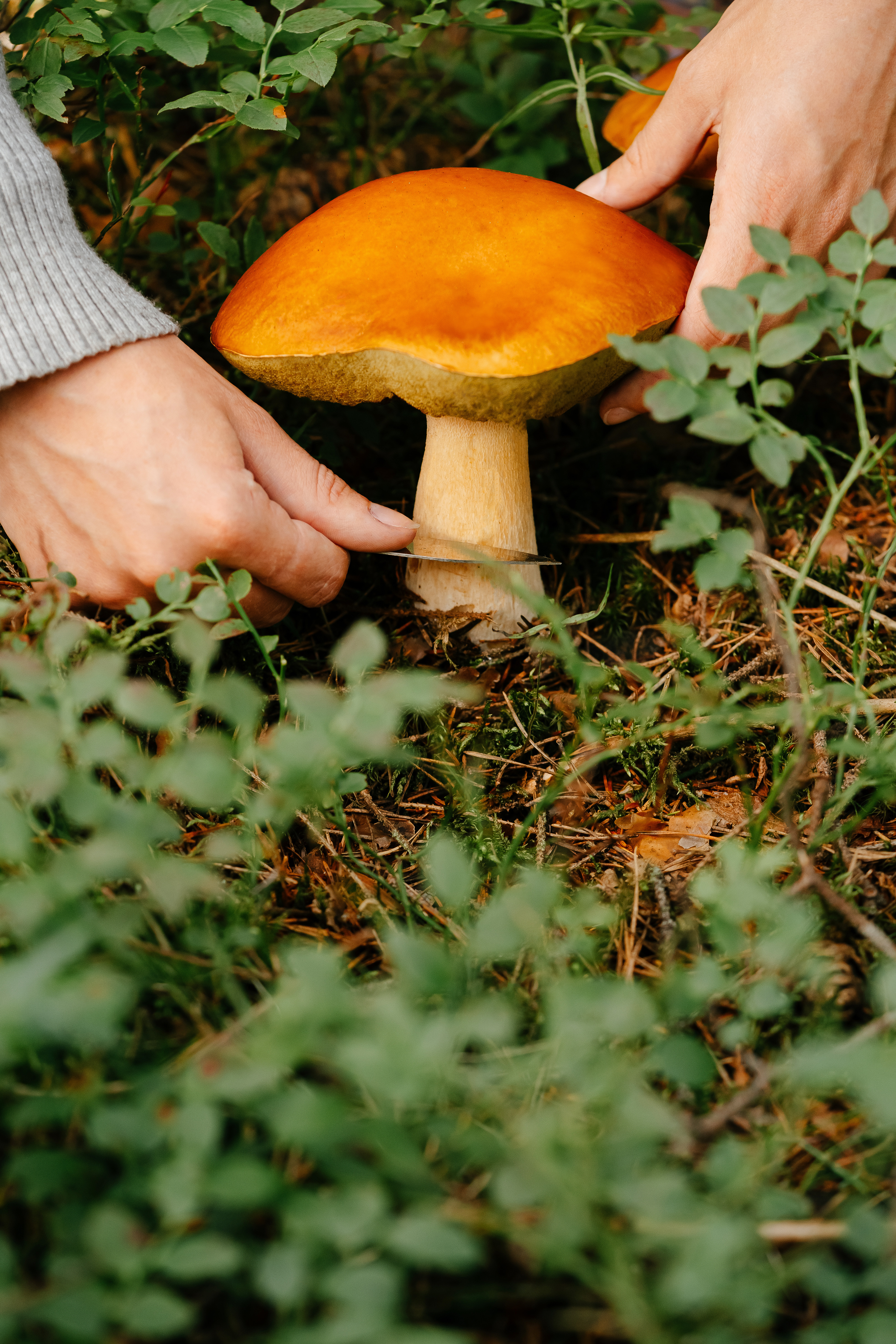
- A small knife: For cleanly cutting mushrooms at the base rather than pulling them out, which can damage the mycelium.
- Your phone with Mushroom Scanner: Having a mushroom identifier app on hand lets you scan and identify mushrooms with a picture on the spot.
- A field guide: A regional mushroom guide is an excellent companion to cross-reference with your app results.
- Comfortable clothing and boots: You'll be walking through uneven terrain, damp areas, and potentially thick undergrowth.
Where and When to Find Mushrooms
Mushrooms thrive in specific conditions. Understanding these patterns dramatically improves your foraging success:
- After rain: Most mushrooms fruit a day or two after significant rainfall, especially during warm, humid periods.
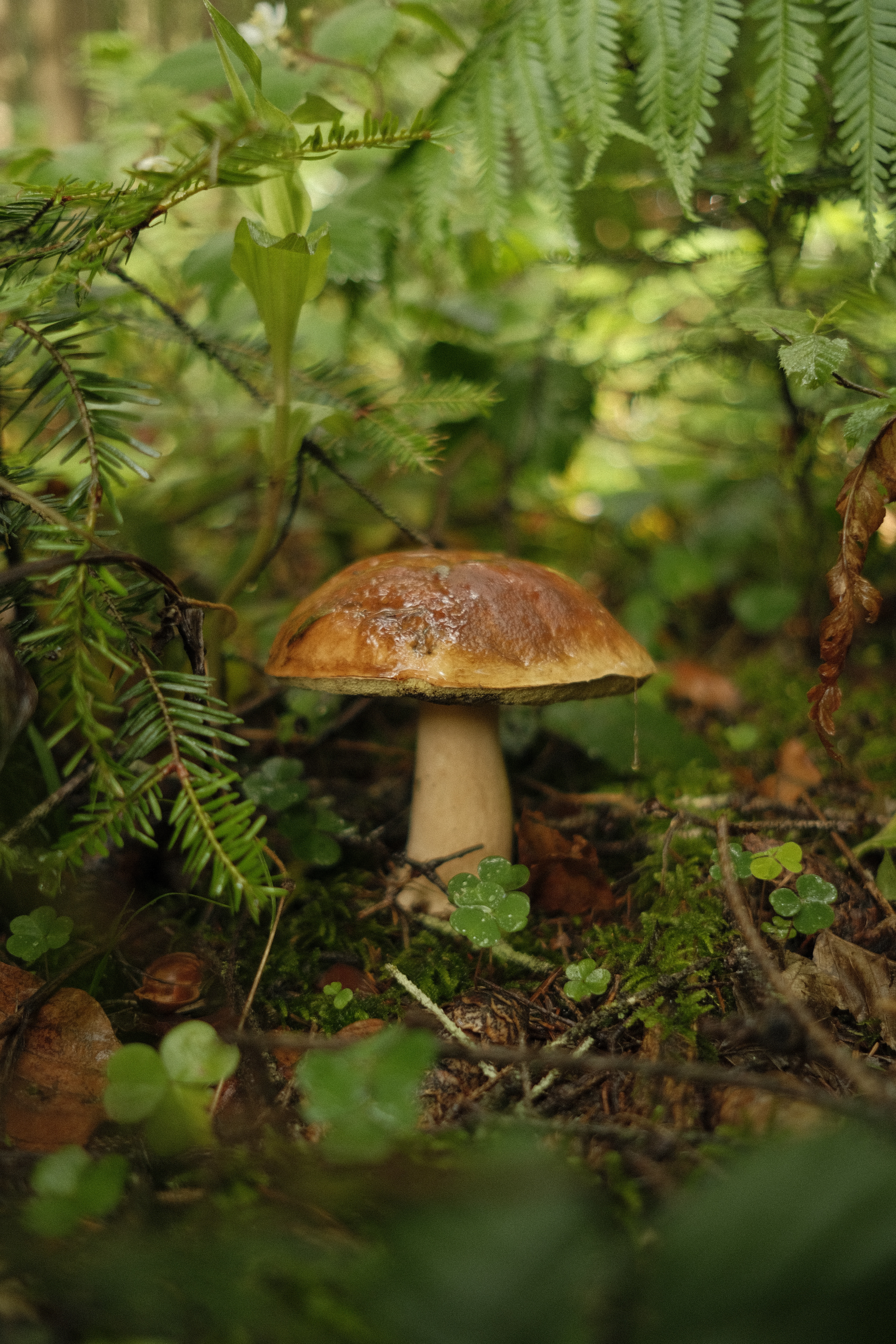
- Near trees: Many prized species form symbiotic relationships with trees. Look near oaks, pines, birches, and beeches.
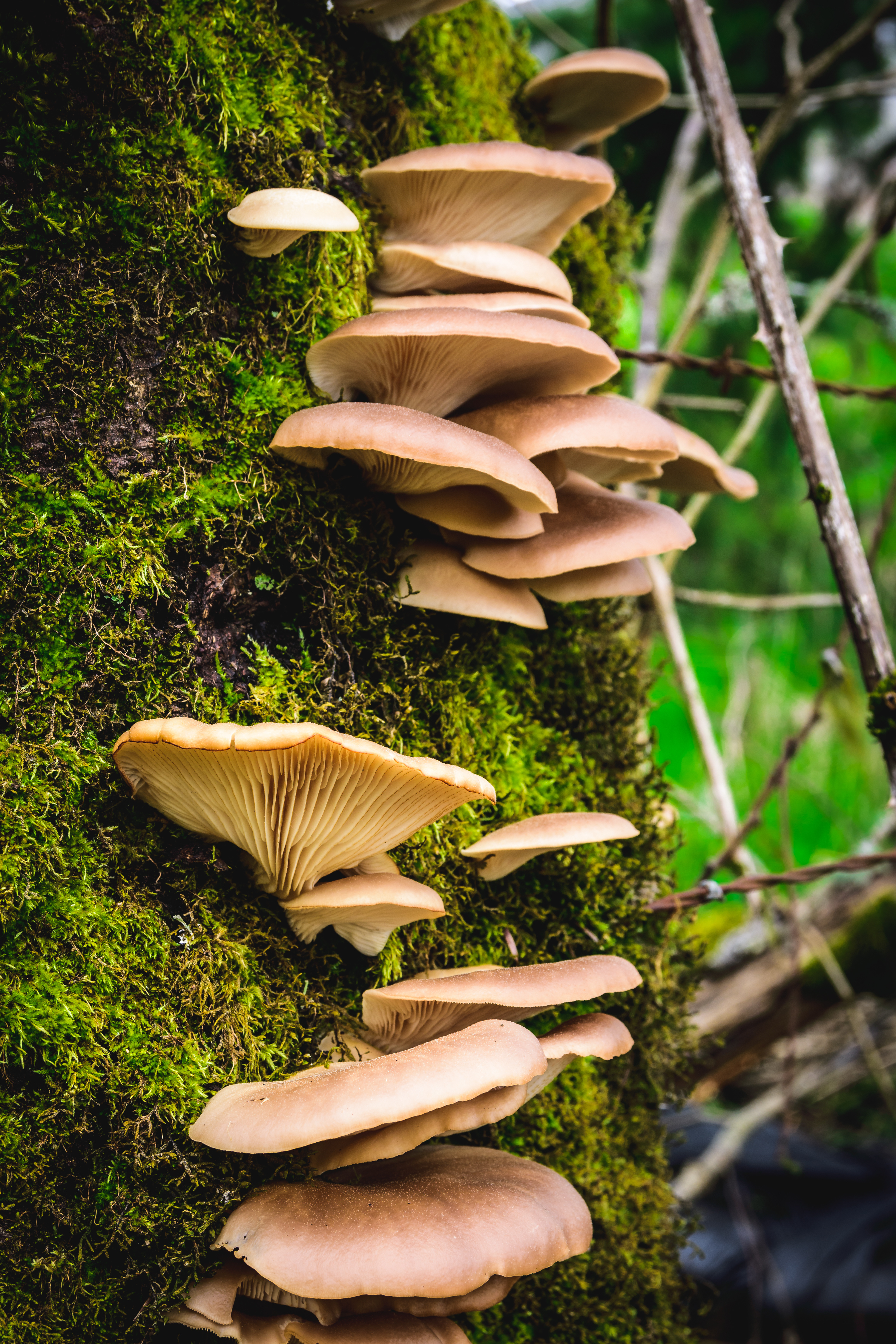
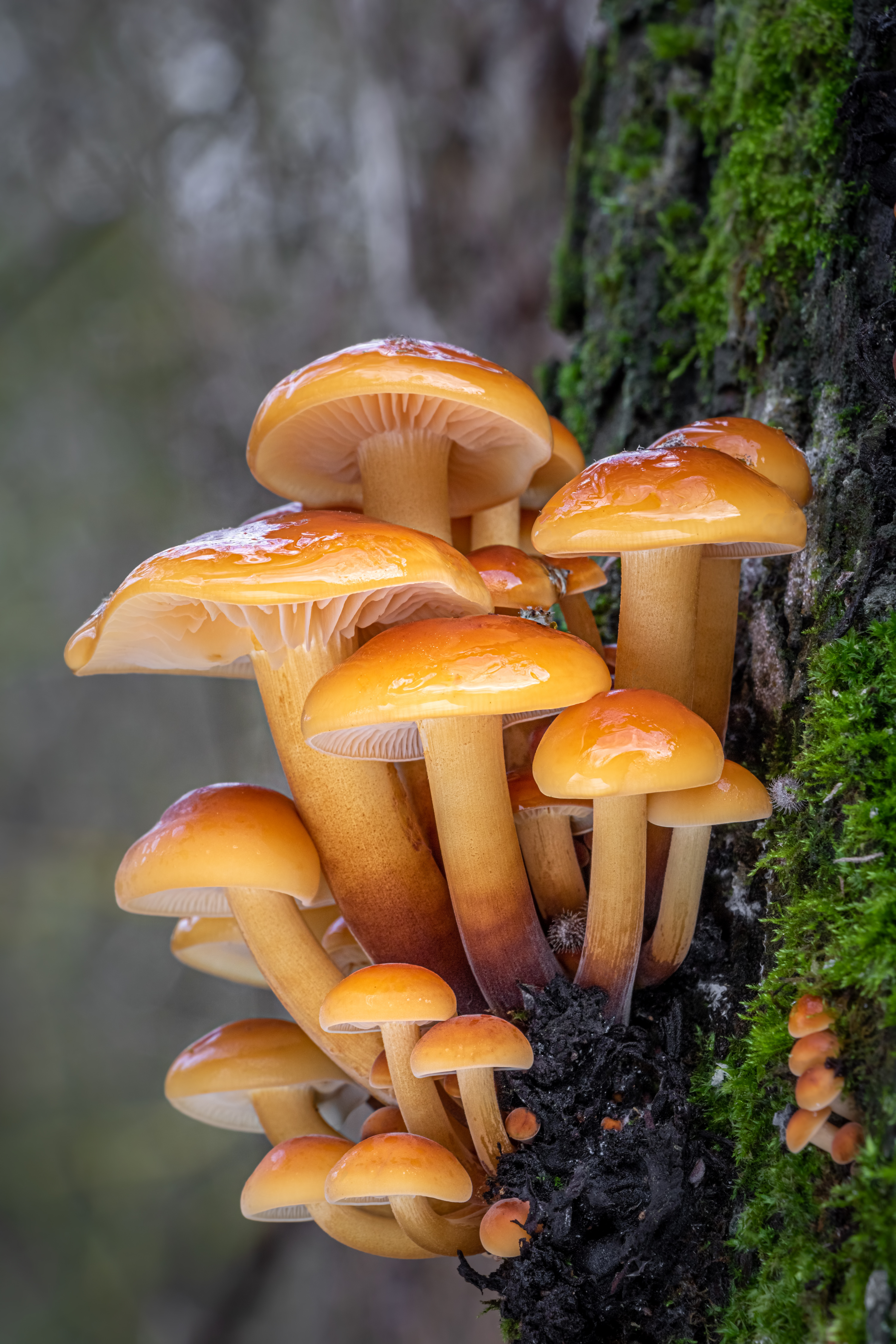
- Decaying wood: Fallen logs and dead stumps are prime habitats for many delicious species.
- Autumn is peak season: While mushrooms grow year-round, autumn provides the ideal combination of moisture and temperature in most regions.
- Shaded, mossy areas: Mushrooms prefer indirect light and high humidity. Forest floors with thick moss are excellent hunting grounds.
Using Technology to Identify Mushrooms
A mushroom identifier app like Mushroom Scanner can be an incredibly valuable tool in the field. Simply point your camera at a mushroom or take a picture, and get instant identification with safety reports, toxicity levels, and look-alike warnings.
While no tool should be your only source of identification, a good mushroom scanner gives you an excellent starting point and helps you notice details you might otherwise miss. Combined with a field guide and local expertise, it makes the identification process faster and more thorough.
Stay Safe, Keep Learning
Mushroom foraging is a lifelong learning journey. Even experienced mycologists discover new things on every trip. The key is to start slowly, stay curious, and always prioritize safety over speed.
Download Mushroom Scanner and take the first step toward identifying mushrooms with confidence. Happy foraging!